
Build an approval‑ready credit profile
Understand what’s driving your credit decisions, identify items that may be unfair or inaccurate, and take a structured next step toward stronger approvals and better terms.
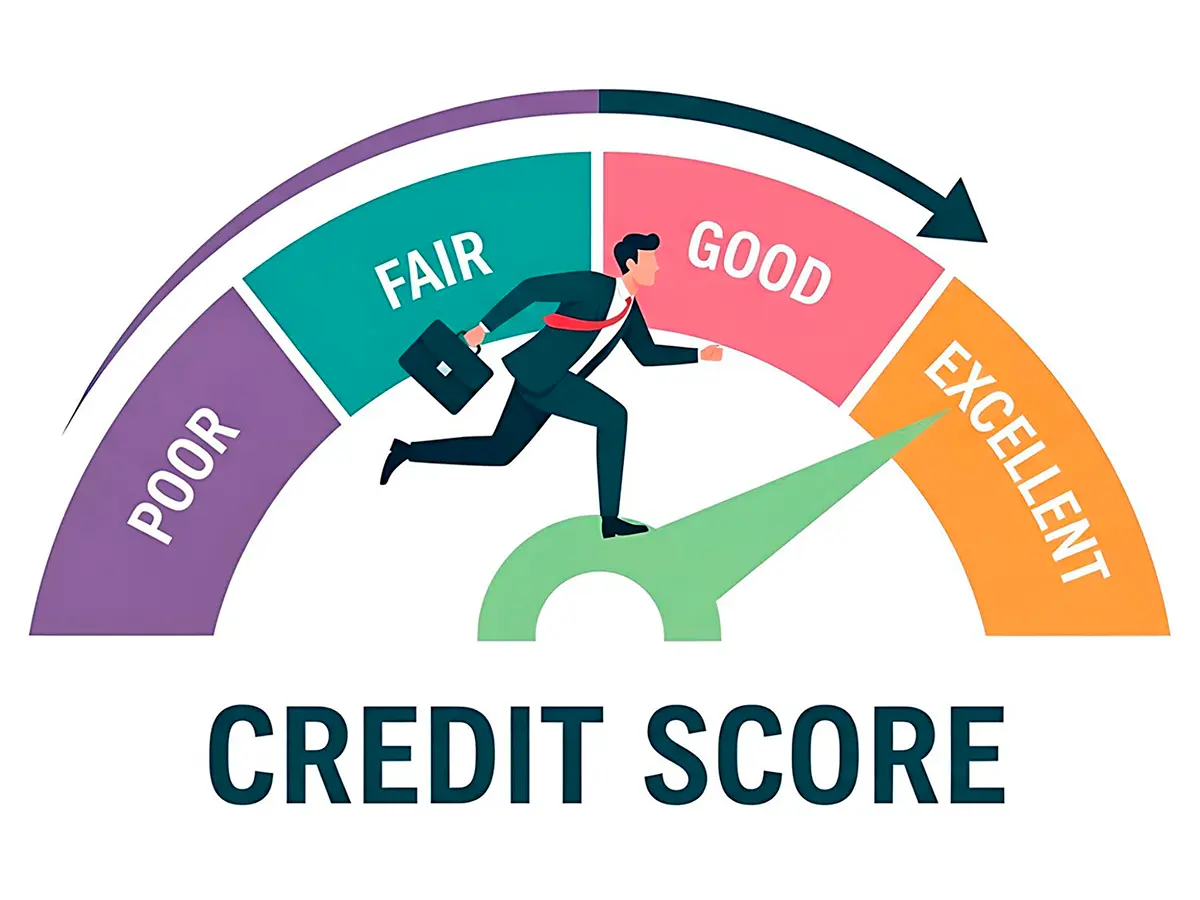
Built around established U.S. credit reporting practices and dispute procedures under the Fair Credit Reporting Act (FCRA). No unrealistic promises—just clarity, documentation, and structured credit improvement.
Unlock more options
Choose the outcome you care about. We’ll outline what improves it—and what to watch for—so you can move forward with confidence.
Your path to stronger credit
A stronger credit profile can mean better approval odds, improved loan terms, and more financial flexibility. Get a clear, no-fluff overview of what credit improvement can help you achieve — then take the next step when you're ready.
Credit decisions in the U.S. are typically influenced by payment history, utilization ratios, account age, recent inquiries, and the accuracy of reporting across major credit bureaus.
Even small inconsistencies can affect lending algorithms. A structured credit improvement approach focuses on verified data, responsible usage patterns, and consistent financial behavior.
*Results vary. This page does not guarantee outcomes.
How it works
A straightforward workflow used by reputable credit‑support programs: review, challenge what’s questionable, and build stronger habits while updates are processed.

Review your starting point
Clarify your goal and look at what’s currently affecting approvals and terms.

Identify what can be challenged
See what information is typically needed, what to expect next, and how the workflow usually looks.

Move forward
Continue to explore available options and take the next step toward better credit outcomes.
credit clean up strategies for a safer financial path
What it really means
Credit clean up is the careful process of correcting inaccuracies, organizing balances, and building positive data so your reports reflect reality. It favors safety and accuracy over quick tricks. You remove the wrong stuff, clarify the messy stuff, and outpace the old negatives with steady, verifiable wins.
DIY or hire: a clear-eyed comparison
- Do-it-yourself: Cheapest, full control, best understanding of your file. Requires time, organized records, and patience.
- Nonprofit credit counselor or consumer-law attorney: Helpful for budgeting, debt management plans, or clear violations of reporting rules. Cost varies, value is often high for complex cases.
- Credit repair companies: Convenience, but results are inconsistent. No one can legally remove accurate, timely information; watch for upfront fees and sweeping promises.
Safe steps that stand up to scrutiny
- Pull all three reports (Equifax, Experian, TransUnion). Align account names, numbers, open dates, limits, and balances. Create a simple log.
- Prioritize provable errors such as duplicates, wrong dates, or balances. Gather statements, payment confirmations, settlement letters, and any insurer explanations if medical.
- Dispute precisely with bureaus and, when useful, the furnisher. State the exact item, the reason it's incorrect, and attach proof. Track the 30 - 45 day review window and outcomes.
- Settle and update valid debts when errors aren't present. Negotiate in writing, then verify the tradeline changes to "paid" or "settled." "Pay-for-delete" is rarely granted and may conflict with data-furnishing rules; expect accuracy, not erasure.
- Request goodwill corrections for one-off lates on long, positive relationships. Results vary, and kindness plus documentation works better than demands.
- Protect utilization by paying revolving balances before statement dates. Consider modest credit-line increases that don't trigger a hard pull. Avoid opening multiple accounts in a short span.
- Document everything: disputes, letters, call logs, dates, and screenshots. Good records make follow-ups simple and defensible.
Real-world moment: a month before a mortgage application, I found a duplicate medical collection. A dated invoice and insurer explanation of benefits showed the error; the collector withdrew the extra entry, and the underwriter's risk view eased without any score gimmicks.
Build positive data, don't chase tricks
- On-time payments across 12+ months outweigh most small disputes.
- Keep utilization under 30% per card and overall; under 10% often helps more.
- Preserve older accounts to keep average age healthy; avoid unnecessary closures.
Tools compared
- Secured credit card: Cash deposit backs the limit, reports monthly. Choose low fees and set autopay; many graduate in 6 - 12 months.
- Credit-builder loan: Payments build savings held until completion. Good if you prefer structure over a revolving line.
Debt payoff approaches
- Snowball: Targets smallest balances first for faster psychological wins and fewer accounts reporting balances.
- Avalanche: Targets highest APR first for lower total interest. Pair with autopay minimums to prevent new lates.
Boundaries and expectations
Accurate negatives usually remain for seven years; bankruptcies can last longer. If a debt may still be collectible, new promises can restart the clock - seek guidance before acknowledging. If income is unstable, build a small emergency buffer first. Real improvement comes from verified accuracy, consistent habits, and time.
Choose the path that fits your risk tolerance, document carefully, and let steady, accurate data do the heavy lifting.
How can I quickly clean up my credit history? ... Unfortunately, there's no way to quickly clean your credit reports. Under federal law, the ...
You can repair your credit for free if you do it yourself. Meanwhile, a credit repair company charges fees that can range from about $50 to $100 a month.
It's absolutely possible to fix your credit on your own and entirely for free. Learn more about how the credit repair process, your rights, and how to avoid ...
Frequently asked questions
A clear next step — without the guesswork
See what’s impacting approvals and what may deserve a closer look.
Understand how disputes are structured and what documentation matters.
Improve utilization, consistency, and long-term credit stability.
See what improving your credit could change
Take a structured next step based on your current profile — and decide with clarity.